For most of us, winter weather and cold air have hit, and that means you’re probably running your car’s heater more often. Before winter weather arrived, you may have changed your tires, topped off fluids, or replaced wiper blades, but your cabin air filter is a crucial item to replace, too. Your cabin air filter controls the air that enters your vehicle's cabin, filtering out contaminants such as dust and debris and allowing your heating and defrosting system to run correctly. Your cabin air filter plays an important role year-round, but especially during the winter. Keep reading to find out how.
Why You Need to Replace Your Cabin Air Filter This Winter

1. Prevent Foggy Windows
A clogged cabin air filter can make it harder for air to pass through your HVAC system, causing the system to work harder to heat the inside of your car. If your filter is restricting airflow, it may take longer for your windows to defrost, which can make them look foggy. Often, visibility is already reduced when you’re driving during snowy or icy conditions. If your HVAC system isn’t clearing your windshield fast enough, it can reduce your visibility even more. When your cabin air filter is clean, your HVAC system can work efficiently to clear your windshield quickly, help it stay clear longer, and keep you safe on the road.
2. Eliminate Odors
Have you ever smelled a musty, stale scent when you turn the heat on in your car? This can be from a dirty or clogged cabin air filter. When dirt, dust, debris, and moisture accumulate on your cabin air filter, it can create that musty, unpleasant odor. With your heater running all the time, this scent might become more and more noticeable, and your air might start to feel more stale. The best way to prevent this is to replace the cabin air filter so that this scent won’t continue to circulate through your cabin, and it can absorb those bad odors.
3. Stay Healthy During Cold and Flu Season
Want to keep everyone who gets in your car healthy this cold and flu season? Replace your cabin air filter. During the winter, your windows stay up, the heat is blasting, and germs are floating around everywhere. A cabin filter traps microscopic pollutants and keeps them from circulating through the air. Not only does it trap those particles, but it also traps dust, exhaust fumes, and harmful gases to ensure that the air you’re breathing is as fresh and clean as possible. This is especially important for those who suffer from allergies or asthma.
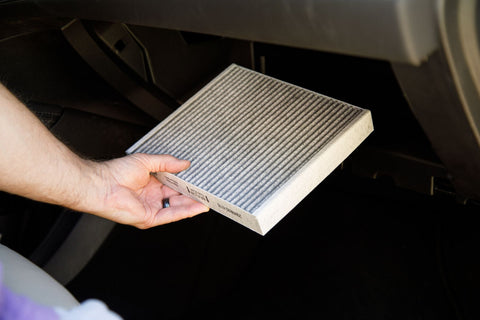
Whether you’re commuting to work, picking up your kids from school, on your way to the mall to shop for gifts, or heading out on a winter road trip, a clean cabin air filter will ensure that you stay comfortable, safe, and healthy. It is typically recommended to replace your filter at least once a year, or every 12,000 to 15,000 miles. Luckily, replacing the cabin air filter is an easy, DIY task that takes about 10 minutes and requires minimal tools.
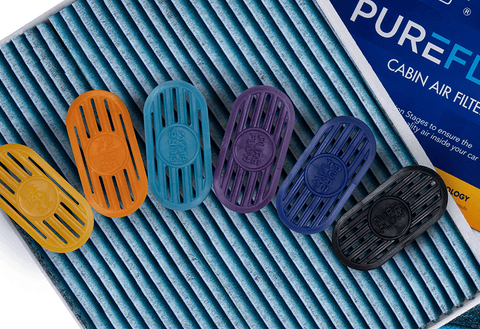
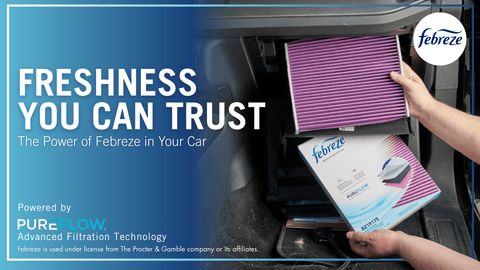
PUREFLOW® Cabin Air Filters feature four layers of powerful filtration technology that create the cleanest, freshest cabin air possible. These layers include a particulate filtration media that captures dust and pollen, an activated charcoal layer that absorbs harmful gases, a baking soda layer that absorbs bad odors, and an advanced antibacterial layer that suppresses the growth of mold, mildew, and bacteria on the filter. To find the PUREFLOW® Cabin Air Filter that fits your vehicle, enter your vehicle's make, model, and year into our tool to be matched with the perfect fit.