QUICK ANSWER
For pet owners, the best cabin air filters combine multiple layers of filtration, an activated carbon layer to help reduce pet and household odors, and antimicrobial technology to inhibit the growth of odor-causing bacteria on the filter. For drivers with severe allergies or heightened sensitivity to airborne particles, HEPA cabin air filters provide the highest level of filtration. Because pet hair, dander, and debris can accumulate more quickly than typical dust and pollen, replacing your cabin air filter more frequently than the standard 12,000–15,000-mile interval helps maintain optimal airflow and filtration performance.
If you regularly travel with a dog or cat, your vehicle's cabin air filter works harder than it would in a pet-free vehicle. Pet hair, dander, dirt, and other airborne particles can accumulate more quickly, while lingering pet odors can become trapped and recirculated through your HVAC system. Over time, this can lead to reduced airflow, stale-smelling cabin air, and more frequent filter replacement.
Every time your HVAC system runs, outside air passes through the cabin air filter before entering the passenger compartment. At the same time, airborne particles already inside the vehicle, including pet dander, hair, dust, and odor-causing particles, are continuously recirculated through the system. As the filter becomes loaded, filtration efficiency and airflow can decline, making it harder to keep your cabin air clean and fresh.
Choosing the right replacement cabin air filter can help capture pet-related airborne contaminants, reduce unwanted odors, and maintain optimal HVAC performance. Here are five key features pet owners should look for when selecting a cabin air filter.
5 Features to Look For in a Cabin Air Filter for Pet Owners
1. Multiple Filtration Stages That Capture Both Hair and Fine Dander
Pet hair may be the most noticeable byproduct of traveling with your furry companion, but pet dander is often the bigger concern. These microscopic skin particles can remain suspended in the air long after shedding occurs and are small enough to pass through basic cabin air filters more easily.
While single-stage particulate filters primarily capture larger particles like dust, pollen, and pet hair, PUREFLOW® Advanced and PUREFLOW® HEPA cabin air filters use multiple filtration layers to capture a broader range of airborne contaminants—including finer pet dander. The result is cleaner cabin air and improved protection against the particles that can contribute to allergies and unpleasant odors.
2. Keep Pet Odors Under Control
Traveling with pets often means dealing with lingering odors that can become trapped in your vehicle's HVAC system. Over time, pet odors, smoke, and everyday airborne contaminants can accumulate inside the cabin, leaving your vehicle smelling less than fresh.
To help address these odors, look for a cabin air filter with an activated charcoal layer. PUREFLOW® Cabin Air Filters combine activated carbon with baking soda to help absorb and neutralize pet odors, smoke, mold, and other common household and vehicle odors as air passes through the filter.
If odor control is your top priority, Febreze Cabin Air Filters powered by PUREFLOW® Air Filtration Technology uses OdorShield to help absorb and trap bad odors, smoke, and exhaust fumes at the source rather than simply masking them with fragrance. They are also available in a HEPA option for drivers who want both advanced odor control and high-efficiency filtration in a single filter.
For drivers who enjoy a scented cabin, pairing your cabin air filter with PUREFLOW® Cabin Air Freshener is another way to keep your vehicle smelling fresh without compromising filtration performance.
3. Antimicrobial Protection for a Cleaner Cabin Air Filter
Moisture, pet hair, dander, and everyday debris can accumulate on a cabin air filter over time, creating conditions that may encourage the growth of odor-causing bacteria, mold, and mildew. For pet owners who frequently travel with their furry companions, this buildup can happen even more quickly.
PUREFLOW® Cabin Air Filters feature an antimicrobial layer that helps inhibit the growth of bacteria, mold, mildew, and algae on the filter media. By helping keep the filter cleaner between replacements, this added layer supports cleaner airflow, reduces odor-causing microbial growth on the filter, and helps maintain consistent filtration performance over time.
4. HEPA-Level Filtration for Allergy-Sensitive Drivers
For drivers with severe allergies, asthma, or heightened sensitivity to airborne particles, PUREFLOW® HEPA Cabin Air Filters provide the highest level of filtration in the PUREFLOW® lineup. They are designed to capture up to 99.97% of airborne particles as small as 0.3 microns, including fine pet dander, pollen, dust, and other common allergens.
Because HEPA filter media is denser than standard cabin air filters, replacing it at the recommended service interval is especially important to help maintain proper airflow and consistent filtration performance. When changed regularly, a HEPA cabin air filter can help create a cleaner, more comfortable driving environment for both you and your passengers.
5. Replace Your Cabin Filter More Often if You Travel with Pets
Most manufacturers recommend replacing your cabin air filter every 12,000 to 15,000 miles, or about once a year. However, if you regularly travel with pets, your filter is likely to collect pet hair, dander, dirt, and other debris more quickly, meaning it may need to be replaced more frequently.
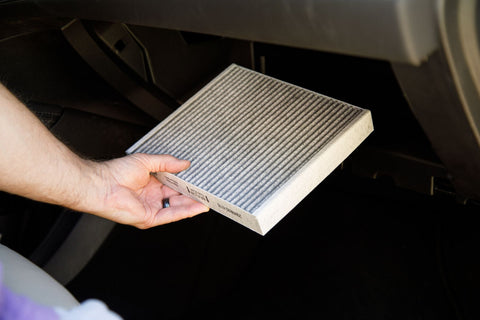
Between replacements, vacuuming pet hair from seats, carpets, and cargo areas can help reduce the amount of debris entering your HVAC system. It's also a good idea to inspect your cabin air filter periodically rather than waiting for the recommended mileage interval. If the filter appears dirty or you notice reduced airflow, lingering pet odors, or increased dust inside the cabin, it's likely time for a replacement.
Replacing your cabin air filter on a schedule that reflects how you actually use your vehicle helps maintain cleaner cabin air, consistent HVAC performance, and more effective filtration for every drive.
Our guides on how often to replace a cabin air filter and what happens if you don't go into more detail on the signs to watch for.
| Feature | Standard Filter | PUREFLOW® Advanced | PUREFLOW® HEPA |
|---|---|---|---|
| Captures pet hair and larger debris |
Yes
|
Yes
|
Yes
|
| Fine pet dander filtration |
Limited
|
Enhanced filtration
|
Up to 99.97% efficiency, down to 0.3 microns
|
| Activated carbon and baking soda for odor |
No
|
Yes
|
Yes
|
| Fragrance-free odor elimination (Febreze) |
No
|
Available
|
Available
|
| Antimicrobial technology (silver/copper ion) |
No
|
Yes
|
Yes
|
| Airflow performance |
Supports consistent airflow
|
Balanced filtration and airflow
|
May create minor airflow resistance
|
| Best for |
Everyday driving with occasional pet exposure
|
Regular pet owners wanting balanced filtration and odor control
|
Severe allergy or asthma sensitivity to pet dander
|
Choosing a Home Air Filter for Pet Owners
Pets don't just affect the air inside your vehicle,they impact your home's air quality, too. Pet hair, dander, dust, and odors can quickly build up indoors, making your HVAC filter an important part of maintaining a cleaner, healthier home.
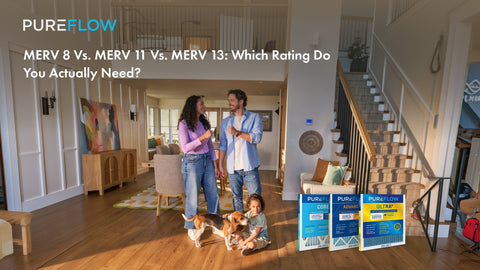
PUREFLOW® Home Air Filters are available in three filtration levels: Core (MERV 8), Advanced (MERV 11), and Ultra+ (MERV 13). For most pet owners, MERV 11 or MERV 13 is recommended because these filters are designed to capture finer airborne particles, including pet dander, while also trapping dust, pollen, and other common allergens. PUREFLOW® Ultra+ MERV 13 also features an activated charcoal layer that helps reduce pet odors, cooking odors, and other common household smells.
Most home HVAC filters should be replaced every 1 to 3 months, with homes that have pets typically requiring more frequent replacement. If you're unsure which filtration level is right for your home, our MERV Rating Guide explains the differences between MERV 8, MERV 11, and MERV 13 to help you choose the best option.
Keep Your Car Fresh Between Filter Changes
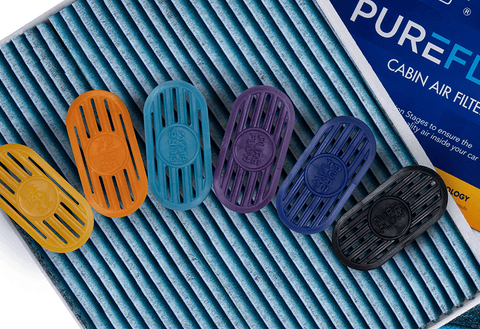
PUREFLOW® Cabin Air Fresheners attach directly to the cabin air filter housing and use slow-release fragrance technology to deliver a consistent, long-lasting scent every time your HVAC system runs. Available in six fragrances, they provide a fresher driving experience without the overpowering burst of traditional hanging air fresheners.
For the best results, pair your air freshener with a cabin air filter designed to capture pet dander and other airborne contaminants for a cleaner, fresher cabin.
Choosing the Right Filter for Pet Owners
Traveling with pets means your cabin air filter works harder to capture pet hair, dander, dust, and odor-causing particles. Choosing a filter with multiple filtration stages, activated charcoal for odor control, and antimicrobial protection can help keep your cabin air cleaner and fresher between replacements. For drivers with severe allergies or asthma, a HEPA cabin air filter provides the highest level of filtration for fine airborne particles.
To find the right PUREFLOW® Cabin Air Filter for your vehicle, use the Vehicle Lookup Tool at PUREFLOW®Air.com and choose the filtration level that best fits your driving needs.
Frequently Asked Questions
Q1. What are the best cabin air filters for pet owners with allergies?
Pet owners with allergies should look for a cabin air filter with multiple filtration stages, an activated carbon layer to help reduce odors, and antimicrobial protection to help inhibit the growth of bacteria and mold on the filter. For more severe allergy symptoms or asthma, a HEPA cabin air filter is designed to capture up to 99.97% of airborne particles as small as 0.3 microns, including fine pet dander, pollen, dust, and other common allergens.
Q2. How do I choose a cabin air filter that reduces pet dander in my car?
Look for a multi-stage cabin air filter designed to capture both larger particles and finer airborne contaminants. Pet dander is much smaller than visible pet hair, so an advanced or HEPA cabin air filter will generally capture it more effectively than a basic particulate filter. Filters with activated carbon can also help reduce lingering pet odors, while antimicrobial protection helps inhibit the growth of bacteria, mold, and mildew on the filter media.
Q3. Where can I buy cabin air filters designed for pet hair removal?
PUREFLOW® offers a range of cabin air filters to meet different air quality needs, including Advanced, HEPA, and Febreze Cabin Air Filters powered by PUREFLOW®. PUREFLOW® Advanced and HEPA filters help capture pet hair, dander, dust, pollen, and other airborne contaminants, while Febreze Cabin Air Filters add fragrance-free odor elimination to help reduce pet odors, smoke, and exhaust fumes. Use the Vehicle Lookup Tool at PUREFLOW®AIR.com to find the right cabin air filter for your car, truck, or SUV.
Q4. Are HEPA-style cabin air filters worth it for pet allergies?
Yes. For drivers with severe allergies or asthma, HEPA cabin air filters provide the highest level of filtration available. PUREFLOW® HEPA Cabin Air Filters are designed to capture up to 99.97% of airborne particles as small as 0.3 microns, including fine pet dander, pollen, dust, and other common allergens. For milder pet-related allergy concerns, a PUREFLOW® Advanced multi-stage cabin air filter offers enhanced filtration and may provide the right balance of particle capture and airflow for everyday driving.
Q5. How often should I replace a cabin air filter if I have pets?
Most cabin air filters should be replaced every 12,000 to 15,000 miles, or about once a year. However, if you regularly travel with pets, you may need to replace your cabin air filter more frequently. Pet hair, dander, dirt, and other debris can accumulate more quickly, reducing airflow and filtration performance over time. If you notice weaker airflow, lingering pet odors, or increased dust inside your vehicle, it's a good indication that your cabin air filter should be inspected and, if necessary, replaced sooner.
Q6. Do cabin air filters help reduce pet dander symptoms while driving?
A cabin air filter with multiple filtration stages or HEPA-level media is designed to capture a significant portion of the pet hair and dander circulating through a vehicle's HVAC system, which may help reduce exposure to pet-related airborne particles while driving. Pairing the right filter with a regular replacement schedule supports consistent performance over time.