Spring is in the air—literally. With spring flowers blooming and temperatures rising, come seasonal allergies. Many people suffer from itchy eyes, congestion, and runny noses due to increased pollen, dust, and other allergens. One way to help keep allergy symptoms at bay while driving is to check and replace your vehicle’s cabin air filter. A clean cabin air filter can significantly improve your allergy symptoms while on the road.
What Does a Cabin Air Filter Do?
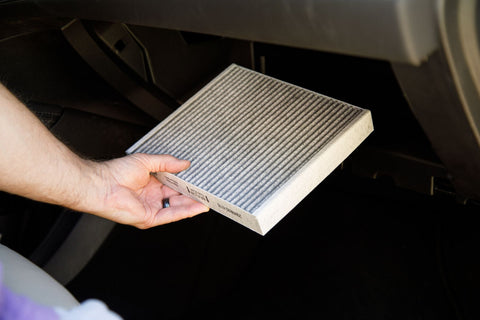
Cabin air filters are essential for passenger health and the HVAC system's performance. Most cabin air filters are located behind the glove box or under the dashboard. The cabin air filter cleans the air entering your vehicle's cabin through the HVAC system. It reduces allergy symptoms by trapping contaminants. Here’s how:
-
Traps pollen and dust: One of the main roles of a cabin air filter is to trap pollen, dust, and other microscopic allergens before they enter your vehicle through the HVAC system.
-
Removes pet dander and other allergens: Cabin air filters help passengers with sensitivities breathe easier by trapping pet dander, dust, and other airborne irritants.
-
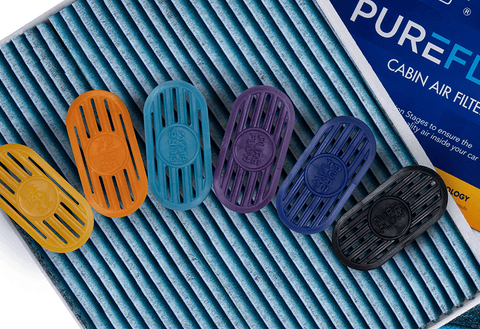
Blocks pollution and odors: An activated carbon layer traps exhaust fumes, pollution, and smoke that can aggravate allergies. A baking soda layer absorbs bad odors to ensure your air is always fresh.
A clean cabin air filter is important for everyone, especially those with allergies. It keeps the air inside your car fresh and helps reduce your exposure to harmful airborne pollutants. If your allergy symptoms worsen in your vehicle, it might be time to replace your cabin air filter.
Signs Your Cabin Air Filter Needs to Be Replaced

Like any car air filter, your cabin air filter must be replaced regularly. Over time, the filter can become clogged and dirty. This buildup can reduce airflow, strain the HVAC system, and allow allergens and odors to enter your vehicle’s cabin. Signs your cabin air filter needs to be replaced include:
-
Musty or unpleasant odors when you turn the HVAC system on
-
Decreased airflow from your air vents, even when the fan is on high
-
Allergy symptoms worsen while driving
-
Increased dust settling on the dashboard or seats
-
Difficulty defogging windows
-
The HVAC system takes longer to heat up or cool down the cabin
-
Loud or excessive fan noise
Even one of these signs could indicate it’s time to replace your cabin air filter, so don’t take them lightly.
How Often Should the Cabin Air Filter be Replaced?
It is generally recommended that cabin air filters be replaced between 12,000 and 15,000 miles. However, it is important to pay attention to your driving habits, climate, and the region where you drive your vehicle.
-
If you live in an urban area with a lot of traffic, smog, or pollution, or a rural area with dirty roads and dust, you may need to replace your filter more often.
-
You might need to change your filter more frequently if you live in an area with high pollen counts in the spring, wildfires, or a damp environment.
-
If you or your passengers suffer from allergies or asthma, changing your filter more often can help lessen symptoms and attacks.
Thankfully, changing the cabin air filter is an easy DIY task. It usually takes less than 10 minutes and only requires your vehicle's owner's manual, a screwdriver, and a replacement filter.
The cabin air filter has an important job, especially during allergy season, because it stops pollen and other allergens from entering your cabin. Replacing your old, dirty cabin air filter is the best way to keep the air inside your cabin fresh, clean, and free of odors and pollutants. Need to order a cabin air filter replacement? Our simple tool can help you find your filter by entering your vehicle’s make, model, and year.