Offer

Save 10% at Checkout

Bundle a Cabin Air Filter with a Home Filter and save 10%

Shop Now

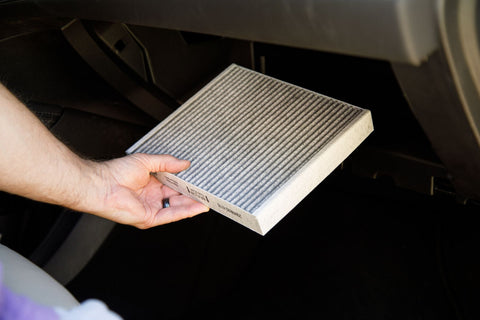
The biggest difference between an “electric” vehicle and an Internal “Combustion” Engine (ICE) car is in the name itself. While electric cars use batteries to generate power, cars running on gasoline require combustion to generate power. Other than that, the only major difference between an electric car and a gas-powered car is gears… or the lack of gears. As a result, the servicing process for EV’s and ICE cars is more or less the same. After all, even electric cars need wiper bladescabin air filters, air conditioning, etc.

For example, the local mechanic who’s been replacing the cabin air filter in your gas-powered car for the past 5 years will just as easily be able to change the cabin air filter in your electric car. Having said that, if you’ve shifted to an electric car, the odds are you’ll be seeing your mechanic a lot less.

If you’re wondering why, it’s because electric cars don’t have as many moving components as gas-powered cars. This means there is significantly less wear and tear within the power source of an electric car. Whereas an engine running on gasoline has multiple moving parts that are constantly experiencing wear.

So, what’s the difference?

A typical electric car battery can last up to 15 years depending on the usage without any servicing at all. On the other hand, a car running on an internal combustion engine regularly needs its air filter, oil filter, belts and wiper blades replaced to function properly.

Plus, electric cars’ brakes suffer much less wear and tear compared to ICE cars as most electric cars now come with regenerative braking. If used often and correctly, you can prolong the life of your car’s brake pads and rotors. 

And what’s the similarity? 

Well as with all vehicles, regular checks are required to ensure everything is running properly. So just like with gasoline cars, it’s best you get your car serviced every 12 months or so depending on how much you drive. Having said that your service cost would still be significantly lower than the service of an internal combustion car for the same reasons mentioned above.

Additionally, brake pads, discs, calipers, tires, wiper blades, cabin air filters, suspensions, etc. will need regular maintenance. For example, the cabin air filter will still need to be replaced every 6 months especially if you’re living in an area with high pollution.  

So, if you think about it, servicing an electric car is the same as servicing a gas-powered car. The only difference is in the long run, an electric car will save you some time as well as some money.

More Articles

TYPES OF CAR AIR FRESHENERS

Auto air fresheners are designed to scent the interior of your vehicle, masking bad odors. Consumers have a wide variety of products and car scents to choose from. Besides choosing which car fragra...

A Dirty Car Cabin Air Filter and The Problems It Could Lead To

Your car’s cabin air filter is one of the most important and underrated components of your vehicle’s HVAC system. It not only affects the system’s performance, it also affects the health of the dri...

How to Change a Ford F-150 Cabin Air Filter

That new car smell is great, but it doesn't last forever. Over time, your Ford F-150's cabin air filter traps dust, pollen, mold spores, and other airborne pollutants that can affect the air you b...

Cabin Air Filters for Pet Owners: 5 Things to Look For

If you regularly travel with a dog or cat, your vehicle's cabin air filter works harder than it would in a pet-free vehicle. Pet hair, dander, dirt, and other airborne particles can accumulate mor...

MERV 8 vs. MERV 11 vs. MERV 13: Which Rating Do You Actually Need?

Choosing a furnace filter isn't just about finding the right size - it's also about selecting the right MERV rating. MERV 8, MERV 11, and MERV 13 each provide a different level of filtration, maki...

4-Stage Filtration vs. Basic Cabin Air Filters: Is It Worth the Upgrade?

Quick Answer: Yes, upgrading to a premium multi-stage cabin air filter is worth it if you want cleaner air inside your vehicle. Basic cabin air filters are designed to capture larger particles, whi...

Freshness You Can Trust: The Power of Febreze in Your Car

Imagine if the air inside your car could be fresh and odor-free every time you get behind the wheel. When you upgrade your cabin air filter to a Febreze Cabin Air Filter powered by PUREFLOW®, that’...

The Febreze Difference: A New Standard in Cabin Air Freshness

A new standard in cabin air freshness has arrived – say hello to the Febreze Cabin Air Filter powered by PUREFLOW®. Powerful odor control combines with advanced freshness for an upgraded driving ex...

Allergy Season Survival Guide: Tips for Cleaner Air Inside and Outside Your Car

Spring has sprung, and with it come all of the allergens that cause those annoying symptoms like sneezing, itchy, watery eyes, and runny noses. If there was something you could do to prevent those ...

Top 5 Ways to Improve Indoor Air Quality

You might not think about it, but the air inside your home can be extremely dirty, dirtier than the air outside. Many factors can negatively affect your indoor air quality, but there are steps you ...

This website uses cookies to ensure you get the best experience. Open cookie policy
Ok, Got It
Fresh Scents, On Repeat. Subscribe & Save Today