While it might seem like spring is never coming, it's on its way, and it’s time to prepare your home HVAC system for the change in seasons! Preparing your system now can ensure that it runs properly and efficiently, that you have clean, cool air all season long, and that it can save you from breakdowns and expensive repairs. Keep reading for five necessary steps in your spring and summer HVAC maintenance.
Spring and Summer Home HVAC System Maintenance Checklist

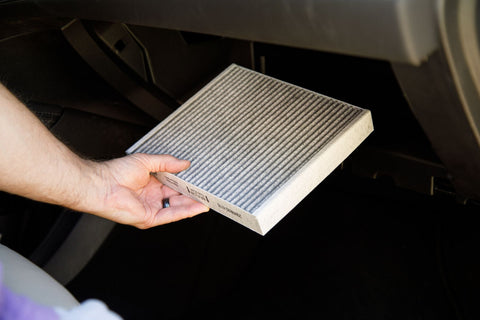
Change your furnace air filter: The furnace air filter is the first defense against dust, allergens, and debris, and it should be changed after the winter season. Spring typically sees a rise in pollen and other allergens, triggering those with seasonal allergies. A clean filter will trap those allergens and stop them from circulating in your home. Not only does a clean air filter ensure that you and your family are breathing clean and healthy air, but it also helps maximize your HVAC system's efficiency. When you have a dirty or clogged air filter, your HVAC system will have to work harder to circulate the air in your home and cool the air.
Check the battery in the thermostat: Checking and changing the batteries in your thermostat is an important and easy task to ensure your HVAC system runs smoothly and your home stays comfortable. Low batteries can decrease the efficiency of your system, causing higher energy bills. A dead battery could also prevent your HVAC system from properly regulating the temperature and running correctly. You may also get inaccurate readings on your thermostat, leading to energy waste. Replacing the batteries in your thermostat is simple; just remove your thermostat from the wall plate, and you will find the battery compartment.
Clean the outdoor unit: During the fall and winter, wind and bad weather may have caused leaves and other debris to build up around your outdoor unit, so you should remove any you see. You should also pull weeds, trim shrubs and trees around the unit, and ensure it is free of other obstructions. A dirty unit can cause it to work harder, reducing efficiency, shortening the lifespan, and causing higher energy bills. Before you start any cleaning, you will need to turn the power to the unit off. Once you remove any large debris, gently spray the unit with a garden hose. If needed, you can also use a special coil cleaner on the condenser coils.
Clean vents and registers: Vents and registers can collect dust, pet hair, and other debris. As air blows from these vents and registers, the dust, pet hair, and debris that has accumulated will circulate through your home. This can trigger allergy symptoms, and when the register and vents are dirty, the HVAC system will run less efficiently. They are easy to clean, though; simply remove the cover using a screwdriver, vacuum the dirt inside the hole, and clean the inside with a damp cloth. You can then use warm, soapy water and clean the outside cover.
Test the equipment: Sometimes the AC unit may not work correctly after sitting inactive during the winter. This is why you need to test your equipment early in the season, ideally before turning it on full-time. You can then address any problem before it gets too hot or worse, resulting in a more expensive fix. Look for strange noises or smells from your vents and ensure the temperature lowers appropriately.
Start checking off tasks to stay comfortable this spring and summer! By changing the furnace air filter, checking the battery in the thermostat, cleaning the outdoor unit, cleaning vents and registers, and testing the equipment, you can ensure that your home stays cool and energy efficient and that the air you breathe is clean and fresh.